Mental health care
Healing Heart Counselling
MENDING HEARTS ONE STEP AT A TIME

WHY US?
Healing Heart Counselling (Singapore) provides professional in-depth psychoanalytic and integrated psychotherapy for clients grappling with severe trauma, PTSD, complex trauma (C-PTSD) and anxiety disorders in Woodlands and across the island.At Healing Heart Counselling, our passion is mental health care, and our priority is facilitating healing and the alleviation of mental health issues.We strongly believe in the importance of restoring our clients' purpose, dignity, and humanity throughout their journey.As a private practice, we are committed to upholding core values, ensuring our services prioritize quality, integrity, and affordability for all members of the community.
WE CAN HELP
Healing Heart Counselling specializes in:
• Post Traumatic Stress Disorder (PTSD)
• Complex Post Traumatic Stress Disorder (C-PTSD)
• Depression
• Anxiety
• Hikikomori (Severe Social Withdrawal)We have extensive experience supporting clients through severe trauma and life events such as:
• Sexual Assault
• Domestic Abuse
• Molestation
• Exposure to Danger and Tragedy (First Responders)
• Combat PTSD (Veterans from Overseas)


therapy with HHC
At Healing Heart Counselling, we offer an in-depth, integrated approach combining Psychoanalysis, Cognitive Behavioural Therapy (CBT), and Narrative Therapy. This allows us to identify and address the roots of your issues, while supporting effective emotional processing.Based in Woodlands, we offer in-person psychotherapy and online sessions for clients across Singapore who prefer the convenience or comfort of online therapy.For online therapy, you may choose between standard face-to-face sessions or Virtual Persona sessions (VTIPP), a specialised format in which either or both parties can work through a digital avatar.This option is often preferred by clients experiencing hikikomori or significant anxiety.
Therapeutic Modalities
Healing Heart Counselling specialises in:
EVIDENCE-BASED PSYCHOTHERAPY
• Psychoanalysis• CBT (Cognitive Behavioural Therapy)• Narrative Therapy
INTEGRATIVE PSYCHOTHERAPY
• Integrated Therapy• VPIPP/VTIPP (Virtual Persona Integrated Psychoanalytic Psychotherapy)

PTSD / C-PTSD
CLICK TO LEARN MORE
Hikikomori
CLICK TO LEARN MORE
ANXIETY
CLICK TO LEARN MORE
Depression
CLICK TO LEARN MORE
Work Stress
CLICK TO LEARN MORE
testimonials
about your counsellor
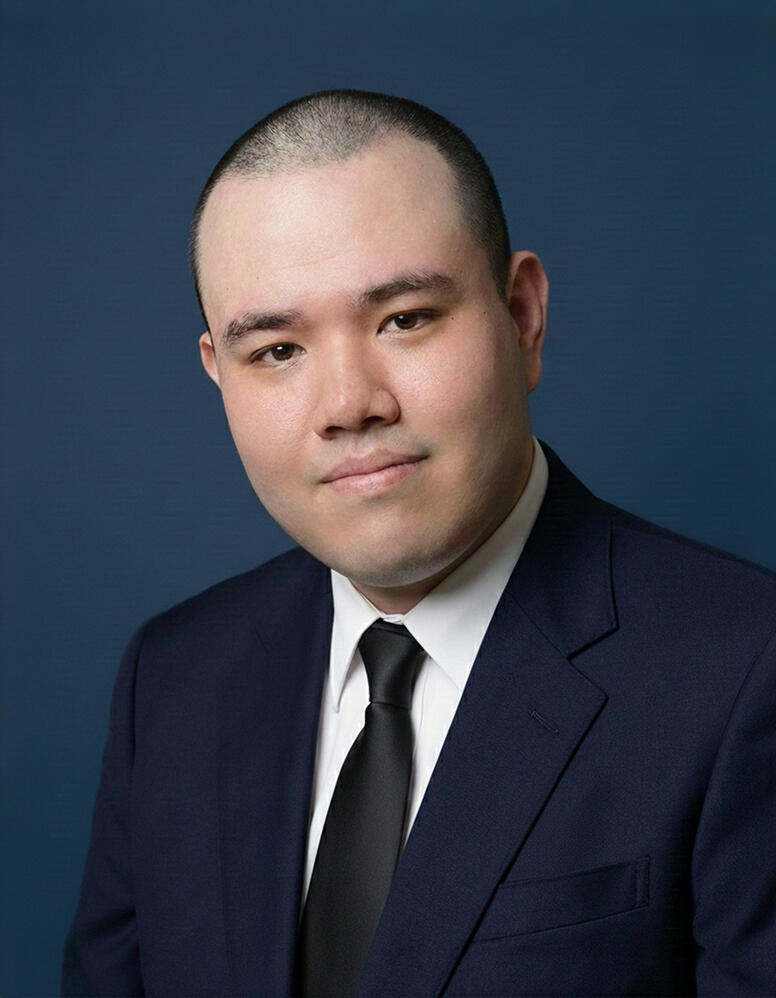
Brandon H. S. LimCredentialsM. Coun. (Master of Counselling)
2025Postgraduate Diploma
Counselling Psychology
2021BA (Hons)
Business Management
2018
Singapore Association for Counselling (SAC):
Provisional Clinical Member
American Counseling Association (MGCA division):
Professional Member
I SPECIALIZE IN
• Psychoanalysis
• Cognitive Behavioural Therapy
• Virtual Persona Integrated Psychoanalytic Psychotherapy (VPIPP/VTIPP)
• Narrative Therapy
• Visualisation
I employ a comprehensive, integrative approach built upon Psychoanalytic Psychotherapy, CBT, and Visualisation. We use the Psychoanalytic foundation to safely address unresolved traumas and emotions that have been pushed into the unconscious mind, pacing the work to prevent complications. This deep exploration is complemented by CBT to manage cognitive distortions and periodic emotional processing to maintain stability. The ultimate goal is to bring you into accord with yourself, allowing you to embrace your past as a valuable source of learning and growth.
®VPIPP/VTIPP (Virtual Persona integrated psychoanalytic psychotherapy)
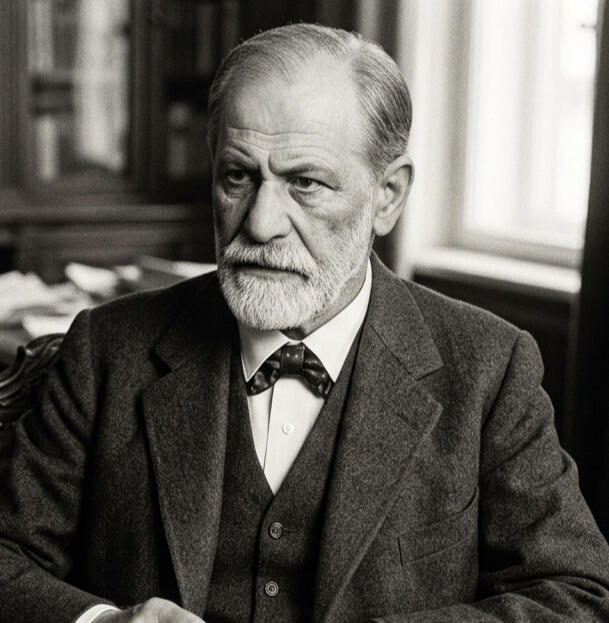
Sigmund Freud

Carl Jung
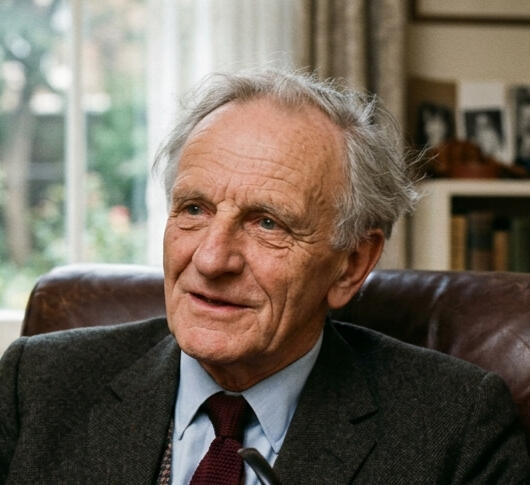
Donald Winnicott
THE PSYCHOANALYTIC FRAMEWORK OF VTIPP/VPIPP
VTIPP blends Freudian, Jungian and Winnicottian psychoanalytic traditions with CBT and Gestalt, which are woven throughout the fabric of the treatment. The foundation remains strictly within the psychoanalytic paradigm, drawing from Freud’s understanding of the unconscious, defence mechanisms and the enduring influence of early experience; from Jung’s work with the shadow and symbolic material; and from Winnicott’s concepts of transitional space, the holding environment and the development of a coherent sense of self. CBT functions as an equaliser that supports this psychoanalytic foundation by helping examine one’s thought processes, while Gestalt contributes present-moment awareness, attention to the client’s immediate experience, and the capacity for direct engagement with past experiences within in the therapeutic process.
Where a client already uses a personal digital avatar, the work may include careful analysis of that avatar as an externalisation of unconscious material. In this process the avatar is approached simultaneously as a Winnicottian transitional object, a carrier of Freudian unconscious content, and a vessel of Jungian symbolic and shadow material, helping the client develop a clearer understanding of internal conflicts and the development of one’s self-image.Structured visualisation is also used to bring elements of the unconscious into conscious awareness in a contained and well paced manner. VTIPP may be considered for clients who experience difficulty with conventional face-to-face contact, particularly those presenting with complex trauma, severe social anxiety, or hikikomori-related withdrawal.
Why was it developed?
VPIPP/VTIPP was developed specifically to support clients experiencing PTSD and anxiety disorders. This approach views a client’s virtual avatar as a manifestation of the client’s unconscious mind. The aim is to use the avatar to facilitate deeper self-knowledge and help the client move toward greater internal accord and integration. By offering both a clear therapeutic direction and a focused point of engagement, VPIPP/VTIPP provides a meaningful alternative for those who find conventional therapy difficult to access or sustain.
For Clients with Anxiety
For individuals struggling with anxiety, particularly social anxiety, our Virtual Persona counselling option provides a unique layer of comfort and safety. The use of a virtual avatar provides a sense of anonymity and distance, helping to quell one’s fear of judgment and the stress of a face-to-face meeting. Over time, sessions in which the therapist uses a virtual avatar can support clients in gradually developing greater interpersonal comfort and confidence, which prepares them for face-to-face interactions.
For Clients with PTSD
For clients struggling with PTSD, remaining grounded during therapeutic work can be incredibly challenging. VPIPP/VTIPP helps mitigate this difficulty by having the client or therapist use a virtual avatar. Because the avatar is visually and characteristically fictional, it serves as a grounding mechanism for the client. The fictional element and therapeutic distance facilitated by the use of digital avatars help to enhance the feeling of safety and stability, making the complex process of trauma processing more manageable.
A Specialised Psychoanalytic Approach
VPIPP/VTIPP is a specialised modality developed within a depth-oriented psychoanalytic framework. It draws on Freudian, Jungian, and Winnicottian traditions to work with clients who struggle to engage effectively in conventional face-to-face therapy.
The Role of the Virtual Avatar
Rather than replacing traditional psychoanalytic work, VPIPP/VTIPP uses avatar-based interaction as a transitional object and external representation of the client’s inner world. The avatar functions as a psychological bridge, allowing material that may be too psychically and emotionally overwhelming to emerge in a more tolerable and symbolically distanced form.
VPIPP/VTIPP Techniques Blk 1
Free AssociationFree association is a fundamental technique in psychoanalysis, originally developed by Sigmund Freud. It involves encouraging the client to speak openly and spontaneously about whatever comes to mind, without censorship, judgment, or the need to follow a logical sequence. By relaxing conscious control, free association allows unconscious thoughts, feelings, memories, and conflicts to surface more freely. The therapist listens carefully for patterns, emotional tones, slips of the tongue, and recurring themes that may reveal hidden aspects of the client’s inner world. Through this process, clients can gain greater insight into unconscious material that influences their thoughts, emotions, and behaviour, supporting deeper self-understanding and therapeutic progress.Dream AnalysisDream analysis can help clients gain greater awareness of unconscious thoughts, feelings, and conflicts. By exploring the symbolic content of dreams, clients may begin to recognise and process emotions that have been repressed or hidden from conscious awareness, which can support deeper psychological understanding and emotional integration.Virtual Persona Psychoanalysis (Virtual Avatar Model Required)Virtual Persona Psychoanalysis is the first stage of VPIPP/VTIPP and involves the therapeutic examination of a client’s Virtual model as a direct externalisation of their unconscious mind. The model is understood to embody elements of the shadow self, ego ideal, repressed emotions, unresolved trauma, and internal conflicts, often in a symbolically encoded form.There are two approaches to this technique:• Direct analysis: in which the therapist interprets the visual and symbolic elements of the model to identify latent unconscious material.• Indirect analysis: which is conducted during free association, where the therapist guides the client in exploring each aspect of their avatar to facilitate greater self-awareness.This process draws on the Kamatsen Paradox, which posits that the virtual persona (avatar) simultaneously presents a pleasing, idealised external image while subtly revealing the operator’s repressed agonies and psychological fragmentation.Concurrent Processing (Does not require a virtual avatar)Concurrent Processing is the primary method of stabilisation used in VPIPP/VTIPP. It involves the immediate, structured processing of emotions by breaking down the client’s account of their lived experience into clear, organised points, linking those events directly to their emotional responses and subsequent actions. This is accompanied by challenging the defensive and maladaptive patterns that developed.This is achieved by first accurately summarising the full weight of what the client has endured: hardships, betrayals, losses, etc. By validating the client’s account, the therapist enables the client to feel understood rather than judged. Here, the therapist creates a brief window where the client’s defences are lowered, allowing the therapist to pose direct but non-judgmental questions.These questions invite the client to consider and challenge their maladaptive responses to factors outside their control, helping the client explore other less destructive ways of responding to life’s difficulties.
VPIPP/VTIPP Techniques Blk 2
Combative Visualisation (Does not require a virtual avatar)In VPIPP/VTIPP, visualisation is used as a structured method of engaging with unconscious material that has remained unresolved through talk therapy alone. This visualisation technique is introduced only after the client has achieved a sufficient degree of stability through general talk therapy, concurrent processing, free association, and dream analysis.The aim of this technique is to bring targeted elements of the unconscious into the preconscious (threshold of awareness), a space where these elements can be perceived, examined, and confronted. Throughout all this, the client remains in a state of lucid wakefulness even though their eyes are closed. This state allows the client to engage directly with materials related to unresolved trauma, psychological impasses, and anxieties. Even as the client describes their inner experience in real time, guided by the therapist, the therapist is always present as an auxiliary ego: a visualised and supportive presence that ensures the client does not confront difficult material in isolation.
VPIPP/VTIPP Techniques Blk 3
Shadow Splicing (Does not require a virtual avatar)Shadow Splicing is a preparatory process within VPIPP/VTIPP that involves separating the destructive and harmful aspects of the self from those that are constructive and life-affirming.Drawing on the principles of (Jungian) shadow work, it requires the client to identify, acknowledge, and take responsibility for their own errors, moral failings, and maladaptive patterns through honest self-inquiry.This process calls for an engagement with defining standards of right and wrong, with principles of responsibility and self-accountability, and with the implications of subjective feelings and personal desires.Shadow Splicing is considered essential preparation for enabling the client to confront and integrate previously disowned parts of the self without collapsing into self-condemnation or moral confusion.
Tora Subjugation (Does not require a virtual avatar)Tora Subjugation is a structured confrontational technique used within the Shadow Splicing process in VPIPP/VTIPP. It involves bringing the darker, destructive, and repressed aspects of the unconscious self into visual manifestation during visualisation (for the purpose of subjugation).The client, while in a state of lucid wakefulness, directly confronts these harmful internal elements through a series of guided visualisations.This work is conducted over one to two cycles, typically consisting of three to seven visualisations per cycle, as a means to address and subjugate the destructive aspects of the self in preparation for "unification."
VPIPP/VTIPP Techniques Blk 4
Unification (Does not require a virtual avatar)Unification is the final integrative phase of VPIPP/VTIPP. In this stage, the client works to re-incorporate split-off or externalised parts of the self back into conscious awareness and identity. These may include repressed aspects of the self, a younger or "child self", or — where applicable — a client’s virtual avatar as an externalised manifestation of the unconscious.The goal of Unification is greater psychological wholeness. It aims to reduce the internal division between the conscious self and the unconscious through a less intensive form of visualisation.Rather than active confrontation, this phase focuses on dialogue, acceptance, and gradual integration, allowing the client to move toward a more coherent and unified sense of self.
The use of a Virtual Avatars in a therapeutic setting must not be used in the treatment of persons suffering with the following:
Multiple Personality Disorder (MPD)
Gender Dysphoria
(Case-by-case basis and is strictly used for psychoanalytic purposes)Bi-polar 1 & 2
Body Dysmorphia
Bulimia and Anorexia Nervosa
Psychosis
Schizophrenia
Schizoaffective Disorder
Any condition with auditory (or) visual hallucinations
What are Virtual Avatars?
A Virtual YouTuber model / Virtual Avatar involves using 3d and 2d characters that are animated through the use of webcam for the purpose of facial and ''full-body'' tracking.
TWO MODES OF THERAPY OFFERED
Healing Heart Counselling provides services in-person, and online via platforms like Zoom and Discord, offering clients the choice between traditional Online Face-to-Face sessions and Specialized Virtual Avatar Counselling.
benefits of virtual Persona counselling
TRAUMA
Our Online Virtual Avatar counselling offers a distinctive approach where both the client and therapist utilise 3D avatars instead of their real faces. The visually and characteristically fictional nature of the Virtual Avatar serves as a grounding mechanism, which is particularly beneficial in trauma therapy. This intentional use of distance and anonymity creates a unique environment that helps alleviate the burdens of deep emotional work, fostering increased safety and stability during sessions.
Social ANXIETY & Hikikomori
For individuals who experience severe social withdrawal or intense social anxiety, the use of a virtual avatar can create a layer of separation that makes therapeutic engagement more manageable.This distance can allow clients to practice speaking, expressing themselves, and interacting without the full weight of direct eye contact or immediate social pressure. Over time, this supported form of interaction can help them build the capacity to engage with others more directly and with greater ease in ordinary situations.A central aim of VPIPP/VTIPP is to help clients become more robust in the face of life’s demands. Rather than remaining easily shaken or avoidant when difficulties arise, the work seeks to develop a greater capacity to meet reality as it is — to bear more without collapsing, to respond rather than retreat, and to carry a steadier, more determined stance when navigating life’s challenges.
Work Related Stress

Stress
Singapore’s kiasu culture and relentless work pace have created an environment where economic pressures, a high cost of living, and unreasonable workloads are driving many toward burnout. Whilst some manage work-related stress better than others, countless professionals—both men and women—are barely holding on. They live in constant fear of missing deadlines, have almost no time for themselves, receive capped pay despite strong performance, and operate in a largely thankless system. The question is, how much longer can you endure before your productivity gives way?
Take Proactive Charge
When trapped in a toxic work environment, it is easy to be constantly caught off guard and emotionally exhausted. My approach helps you shift from anxious reaction to strategic observation and planning.Together, we will map out the predictable patterns, triggers, and communication styles of challenging colleagues. By understanding these recurring cycles, you can anticipate their actions rather than absorbing their stress.This objective clarity allows you to think several steps ahead—enabling you to make informed decisions about when to engage, how to enforce firm boundaries, and when to step back. Our focus is entirely on your agency, psychological safety, and personal protection.
How We Help
We help our clients in a number of areas concerning work-related stress.We begin by uncovering the root causes of your workplace stress.We help you with strategies to safeguard your personal space, navigate demanding workplace dynamics, and deal with challenging colleagues effectively.Stress Analysis1. Direct: These stressors that are explicitly and inherently part of the job itself — such as heavy workloads, tight deadlines, role ambiguity, stagnant pay, or difficult tasks.2. Indirect: These are stressors outside of work that intensify pressures already present in the workplace. External pressures include family responsibilities, caring for aged parents, financial worries, and relationship problems.3. Latent Processes: Latent processes involve unconscious material related to workplace stress. These usually manifest as deep-seated beliefs about one’s character, worth, and capabilities.Someone can be beset by fear of failure, or the conviction that "I’m not good enough." We help our clients manage these internal patterns that can undermine performance and cause anxiety.
Conditions

Transparency and Informed Consent
We are committed to full transparency and radical informed consent. We openly discuss with our clients the potential risks involved in therapy, the steps we take to mitigate those risks, and the understanding that therapy is not always linear — progress can sometimes involve difficult periods before improvement occurs.
What conditions do you specialise in?
How We Help
At Healing Heart Counselling, we employ a fully integrated approach grounded in Psychoanalysis, Cognitive Behavioural Therapy (CBT) and Narrative Therapy.By carefully considering all factors each client brings, we maintain a dynamic and responsive approach throughout the therapeutic process.
Our Aim
Our ultimate goal is long-term healing. We aim to support our clients in developing the insights, resilience, and skills they need to face life’s hardships and rigours. This empowers them to move forward with greater independence and reduces the likelihood that they will need to return to therapy.
Hikikomori

How We Help
For individuals facing severe social withdrawal (Hikikomori), we offer a specialised, gentle approach to counselling where the therapist utilises a custom virtual persona (avatar) rather than expecting immediate face-to-face interaction. This crucial adaptation removes the intense psychological pressure and shame associated with the "physical gaze," providing a secure, mediated environment where clients can safely process overwhelming emotions and past traumas without feeling threatened.Through interacting with the therapist’s virtual persona online, the client can unconsciously develop the ability to interact slowly, gradually rebuilding their capacity for connection within a highly protected space to prevent further withdrawal. As the client’s internal resilience grows, the therapist systematically fades out the digital holding environment by gently transitioning to showing their real face. This step-by-step process facilitates therapeutic integration and prepares the client—alongside collaborative, carefully paced support from their family—for real-world reconnection.
What is a Hikikomori?
The term hikikomori was first introduced in 1998 by Japanese psychiatrist Dr Tamaki Saito. It describes a severe psychosocial condition in which a young person completely withdraws into their home, actively disengaging from society for a continuous period exceeding six months. Crucially, clinical observations suggest that this extreme social isolation is not primarily driven by an underlying psychiatric illness, but rather serves as a profound behavioural response to external stressors.
®VPIPP/VTIPP (Virtual Persona Integrated Psychoanalytic Psychotherapy) for Hikikomori
This digital approach offers a profound shift for those experiencing severe social withdrawal (Hikikomori), where the thought of traditional face-to-face therapy often feels impossible. Rather than forcing immediate real-world confrontation, the therapist utilises a custom virtual persona (avatar) to communicate with the client. This adaptation removes the intense psychological pressure and shame associated with the "physical gaze," creating a secure, mediated environment that mirrors the protective space of their bedroom. The avatar functions as a safe "Electronic Transitional Object" —a digital container that allows the client to project overwhelming emotions and past traumas onto an animated figure rather than a human being.
®VPIPP/VTIPP (Virtual Persona Integrated Psychoanalytic Psychotherapy)
End Goal
The ultimate goal, however, is not to sustain this virtual illusion permanently, but to use it as a necessary bridge for real-world reintegration. Through a phenomenon known as the "Proteus Effect," therapeutically interacting with these digital personas allows clients to safely practice social interaction, leading to reduced inhibition and increased confidence offline. As the client’s internal resilience strengthens and their past traumas are processed, the digital holding environment is systematically faded out. The final objective is the "Unification Process," where the client feels safe enough to transition away from the screens entirely, stepping into traditional, face-to-face therapy.
Root Causes of Hikikomori
The decision to retreat from the world is deeply personal and multifaceted. However, researchers have identified several common catalysts that frequently trigger this isolation. While initially observed through the lens of Japanese society, these pressures are increasingly recognised as global phenomena.
Intense Societal Expectations
Many modern cultures place immense emphasis on academic and professional success. For individuals who struggle to meet these socially imposed standards, the overwhelming pressure to conform and succeed can lead to the complete withdrawal of the individual.
Weight of Shame
The fear of failure is a powerful driver of isolation. The profound shame associated with "losing face" —whether triggered by failing a university entrance exam or losing employment—can prompt a young person to hide themselves to avoid humiliation and judgement.
Hostile Environments
Hostile Environments and Bullying (Ijime): Severe, persistent bullying within educational or workplace settings frequently acts as a breaking point. When the outside world is repeatedly experienced as inherently hostile and unsafe, the bedroom transforms into a necessary sanctuary for psychological survival.
Modern Technology
It is important to clarify that the internet does not cause this condition. However, modern digital conveniences have made prolonged physical isolation practically sustainable. The ability to arrange food deliveries, engage in immersive online gaming, and socialise anonymously removes the basic physical necessities that would otherwise force an individual to step outside their front door.
Trauma

Our Approach
Our method for treating PTSD is an integrative and holistic approach targeting five core client needs: Emotions, Logic, Diet, Socialization, and Experiences. We establish Psychoanalytic Psychotherapy as the foundation, layering on CBT, Narrative Therapy, and Guided Imagery to safely confront past traumas and individuals. This process is carefully paced with a strong emphasis on continuous emotional processing to mitigate the risk of re-traumatization. Ultimately, our goal is to help you achieve self-acceptance and bring you into accord with yourself, leading to lasting peace regarding your past.
PTSD & C-PTSD
PTSD, which can occur following a single traumatic event like an accident or violence, is more common than often perceived. Symptoms include hypervigilance, irritability, mood swings, and physical (somatic) distress. C-PTSD, however, results from prolonged or repeated exposure to trauma, such as chronic abuse or neglect. C-PTSD presents with a broader range of difficulties, including dissociation, memory issues, and profound difficulties with social skills. We provide specialized therapy to address the specific, lasting effects of both conditions.
®VPIPP/VTIPP (Virtual Persona Integrated Psychoanalytic Psychotherapy)
We utilise your chosen 2D or 3D virtual persona (a 2D or 3D virtual avatar which you own personally for streaming or content creation - if available) to facilitate deep self-understanding and trauma resolution. Your virtual persona model is viewed as the external manifestation of your unconscious mind, reflecting past experiences and unresolved emotions. Through a series of specialised visualisations and guided imagery, we work to safely reunite and integrate this part of your life with your conscious self, leading to greater wholeness and healing.
How We Help
Trauma significantly impacts your psychological health and brain function, affecting areas like the amygdala, frontal cortex, and hippocampus. To address this holistically, our approach uses Psychoanalytic Psychotherapy as its foundation, paired with CBT and Narrative Therapy. We also utilize Guided Imagery to help you confront and make peace with past issues, building confidence and resilience. This treatment follows a structured, multi-stage path—from Safety and Stabilization to Remembrance and Mourning, concluding with Reconnection and Integration—to help you redefine yourself as a survivor.
Depression

Insight
Sometimes known as the dark night of the soul, depression is a condition caused by multiple factors. These factors can be broken into two categories (Primary Causes and Genetics).
Depression in a nutshell
Depression fundamentally affects energy levels, often requiring much more energy and effort just to perform daily and work-related tasks, leading to pervasive fatigue. This condition severely impacts basic physiological functions, resulting in disturbances in appetite and significant problems with sleep (either insomnia or excessive sleeping). Crucially, even when sleep is achieved, the individual typically wakes up with no feeling of rest or rejuvenation.
Primary Causes
Depression often stems from being trapped in cycles of aversive, external circumstances, such as harassment, bullying, financial issues, divorce, job loss, or the death of a loved one. These life experiences act as a catalyst, driving the condition far beyond typical sadness and potentially into the realm of existential distress. Furthermore, persistent struggle against societal or life pressures that continually press one down can significantly worsen depressive states. Addressing these core external factors is vital in understanding and treating the condition.
How to Help
Our approach to helping clients with depression rooted in external factors involves two key strategies. First, we focus on emotional processing in real-time, helping you identify symptom triggers, and develop healthy coping mechanisms while simultaneously addressing the practical issues causing distress. Second, we take a practical perspective, working with you to set reasonable and realistic goals that you can actively pursue. By combining emotional support with actionable steps, we aim to help you gain freedom from the situation driving your depression.
Genetics
When depression is primarily influenced by genetics, we recommend a two-pronged approach for effective management. This typically involves pharmacological intervention (medication prescribed by a medical professional) working in tandem with Psychotherapy (talk therapy). The aim of this treatment strategy is to help stabilise mood and enable the client to function more readily and normally in their daily life.
Anxiety

What Causes Anxiety?
Anxiety is primarily predicated on the fear of anticipated future events or potential outcomes, rather than an immediate threat. While fear is a natural, momentary response to present danger, it can evolve into chronic anxiety when an individual is overly exposed to adverse circumstances. This persistent exposure anchors the mind in a state of hyper-vigilance, leading to a focus on potential harm and triggering the ongoing dread characteristic of anxiety
Anxiety from a biological perspective
Anxiety is fundamentally a by-product of stress, triggered by a surge of stress hormones, primarily cortisol, which activates the body’s alert system. Subjectively, this experience is best described as being lost in uncertainty and feeling an intense sense of dread. This dread is directed toward anticipated or potential negative outcomes and future events, causing persistent psychological and physical distress.
How to Help Anxiety
We recognize that anxiety is rooted in adverse, real-life experiences and valid concerns which amplify negative thought processes, leading to symptoms like panic attacks, avoidance, and physical distress. Our treatment addresses the root causes through a combined approach of Psychoanalytic Psychotherapy and CBT. We simultaneously target past influences (like upbringing), current life events, and future worries in a practical, hands-on manner. This integrated method, bolstered by Guided Imagery, helps iron out concerns and build lasting confidence.
®VPIPP/VTIPP (Virtual Persona Integrated Psychoanalytic Psychotherapy)
Our use of Virtual Persona Integrated Psychoanalytic Psychotherapy (VPIPP/VTIPP) for anxiety mirrors our trauma approach, beginning by fostering a deeper self-understanding and clarifying the core issues that drive your anxieties. We then use guided imagery to help you safely troubleshoot and confront triggering scenarios, which simultaneously assists in building practical confidence. The ultimate goal is to utilise this unique method to help you achieve resilience and self-acceptance.
Tools of the Trade

Click to Learn More
What is Narrative Therapy?
Narrative Therapy is a collaborative and non-pathologising approach to therapy developed by Michael White and David Epston. It is based on the idea that people make sense of their lives through the stories they tell about themselves and their experiences. Rather than viewing problems as inherent to the person, Narrative Therapy sees the problem as separate from the individual — a perspective often summarised as “the person is not the problem, the problem is the problem.”
The therapy focuses on helping clients externalise their problems, explore how these problems have influenced their lives, and identify unique outcomes — moments when the problem did not dominate their story. Through this process, clients are supported to re-author their narratives in ways that align more closely with their values, strengths, and preferred identities. Narrative Therapy emphasises respect, curiosity, and collaboration, aiming to empower individuals to reclaim authorship over their own lives rather than being defined by dominant, problem-saturated stories.
Narrative Therapy techniques
Externalisation: Separating the person from the problem. Instead of saying “I am depressed,” the client might say “Depression is affecting my life.” This reduces self-blame and allows the person to see the problem as something they can influence.Re-authoring: Helping clients rewrite or re-author their life stories. The therapist supports the person in developing alternative narratives that are more aligned with their values, strengths, and preferred identity.Unique Outcomes: Identifying moments when the problem did not dominate the person’s life. These “unique outcomes” (also called sparkling moments) are used as entry points to build new, preferred stories.Landscape of Action: Exploring the sequence of events, actions, and behaviours related to the problem or preferred story. It focuses on the client's experience over time.Landscape of Identity: Exploring the meanings, values, beliefs, and intentions behind a person’s actions. It focuses on who the person is becoming.
What is CBT (Cognitive behavioural therapy)?
Cognitive Behavioural Therapy (CBT) is a structured, present-focused, and evidence-based form of psychotherapy that focuses on the relationship between thoughts, emotions, and behaviours. It is based on the principle that the way we interpret situations influences how we feel and behave. CBT helps clients identify and challenge unhelpful or distorted thinking patterns (cognitive distortions) and develop more balanced, realistic perspectives. At the same time, it encourages behavioural changes through techniques such as behavioural experiments, exposure, activity scheduling, and skills training. Unlike psychoanalytic approaches that explore unconscious processes and early life experiences, CBT is typically short-term, goal-oriented, and collaborative. It emphasises practical strategies that clients can apply in their daily lives to reduce symptoms of anxiety, depression, and other psychological difficulties, while building long-term coping skills and resilience.
Cognitive distortions
Cognitive distortions are habitual errors in thinking that make a situation seem more threatening, hopeless, or personal than the evidence supports. Cognitive distortions include:• All-or-Nothing Thinking• Overgeneralisation• Mental Filter• Disqualifying the Positive• Jumping to Conclusions• Emotional Reasoning• Magnification & Minimisation• "Should" Statements• Labelling & Mislabelling• Personalisation
A CBT PERSPECTIVE
• Thoughts (cognitions) influence emotions and behaviours.• Distorted, unhelpful, or biased thinking patterns can lead to unnecessary emotional distress and maladaptive behaviours.
CBT tecnhiques
Cognitive Restructuring: Identifying and challenging unhelpful or distorted thoughts and replacing them with more balanced and realistic ones.Thought Records / Thought Diaries: Structured worksheets used to record situations, thoughts, emotions, and alternative perspectives.Socratic Questioning: Using guided questions to help clients examine the evidence for and against their thoughts.Behavioural Activation: Scheduling and engaging in positive or meaningful activities to improve mood (especially useful in depression).Activity Scheduling: Planning daily activities to increase structure and engagement.Behavioural Experiments: Structured real-life activities designed to test the accuracy of a client’s beliefs or predictions by gathering direct experiential evidence, helping them evaluate whether their thoughts are helpful or accurate.
Sigmund Freud

Carl Jung
What is Psychoanalysis?
Psychoanalysis is a form of depth-oriented therapy that aims to help people understand the unconscious parts of their mind — the thoughts, feelings, memories, and patterns that influence their behaviour without them realising it.
Unlike therapies that focus mainly on changing thoughts or behaviours in the present, psychoanalysis explores how past experiences, especially early relationships, continue to shape how a person feels, relates to others, and sees themselves today.
At its core, psychoanalysis believes that many of our emotional struggles are not random. They often stem from unresolved conflicts or painful experiences that have been pushed out of conscious awareness but continue to affect us.
The Unconscious Mind
The unconscious is the part of our mind that holds thoughts, memories, desires, and emotions that we are not currently aware of.
These hidden parts of ourselves can manifest in our lives in different ways, such as:• Repeated patterns in relationships• Unexplained anxiety• Depression• Attachment Issues• Issues with Intimacy• Emotional numbness• Self-sabotaging behaviours• Strong reactions that feel out of proportion to the situation
Psychoanalysis helps bring these unconscious patterns into awareness so that a person can understand them, work through them, and eventually have more freedom and choice in how they live.
Defence Mechanisms
Psychoanalysis places strong emphasis on early life experiences, particularly our relationships with caregivers. It suggests that the ways we learned to cope, attach, and protect ourselves as children often continue into adulthood — even when those patterns are no longer helpful.• Repression: Unconsciously pushing anxiety-provoking thoughts or traumatic memories out of the conscious mind.• Denial: Refusing to accept the reality of a traumatic or stressful event to avoid overwhelming fear or distress.• Projection: Attributing one's own unacceptable or threatening thoughts and feelings onto someone else.• Displacement: Redirecting strong emotions (like anger) from the real source of stress to a less threatening, safer target.• Rationalisation: Creating logical, justification-based excuses to explain away unacceptable behavior or negative outcomes.• Reaction Formation: Behaving or expressing emotions in a way that is the exact opposite of one's true, often unconscious, feelings.• Sublimation: Channeling unacceptable impulses or energies into socially acceptable, productive outlets (e.g., athletics or art)
ELEMENTS OF THE MIND
Id
The Id is the most primitive and instinctive part of the personality. It operates on the pleasure principle, seeking immediate satisfaction of basic drives and desires, such as hunger, thirst, aggression, and sexual impulses. It has no sense of reality, morality, or consequence — it simply wants what it wants, and it wants it now.Ego
The Ego develops as a child grows and begins to interact with the real world. It operates on the reality principle, meaning it tries to satisfy the Id’s desires in realistic and socially acceptable ways. The Ego acts as a mediator between the impulsive demands of the Id, the moral standards of the Superego, and the demands of external reality. It helps us make practical decisions and delay gratification when necessary.Superego
The Superego represents our internalised sense of morality and ideals. It develops through upbringing and socialisation, and it contains the values, rules, and standards we have absorbed from our parents and society. The Superego acts as our conscience, judging our behaviour and producing feelings of pride when we meet its standards, or guilt and shame when we fall short.Conscious
The conscious mind contains all the thoughts, feelings, and perceptions that we are currently aware of. It is the part of the mind we have direct access to in the present moment — for example, what you are thinking about right now as you read this.Preconscious
The preconscious (sometimes called the subconscious) holds information that is not currently in our awareness but can be brought into consciousness when needed. This includes memories, knowledge, and experiences that are stored and can be recalled with some effort. For example, you may not be thinking about what you had for breakfast yesterday, but you can bring that memory into your conscious mind if you try.Unconscious
The unconscious is the largest and most influential part of the mind. It contains thoughts, feelings, memories, desires, and impulses that are outside of conscious awareness. These are often repressed because they are too painful, threatening, or unacceptable. Although we are not aware of them, unconscious material can still influence our behaviour, emotions, dreams, and relationships. Much of psychoanalytic work focuses on bringing unconscious material into conscious awareness.The Shadow Self
It refers to the hidden, unconscious part of our personality that contains the thoughts, feelings, instincts, and traits we have repressed or denied because they conflict with our conscious self-image.The Shadow often includes qualities we consider negative or unacceptable, such as anger, selfishness, jealousy, aggression, or vulnerability. However, it can also hold positive but undeveloped aspects of ourselves — such as creativity, strength, or assertiveness — that we have not yet integrated.Jung believed that everyone has a Shadow. When we fail to acknowledge it, we tend to project these unwanted qualities onto other people. For example, we may strongly dislike certain traits in others that actually exist within ourselves.
Psychoanalytic tecnhiques
Free AssociationFree association is a fundamental technique in psychoanalysis, originally developed by Sigmund Freud. It involves encouraging the client to speak openly and spontaneously about whatever comes to mind, without censorship, judgment, or the need to follow a logical sequence.By relaxing conscious control, free association allows unconscious thoughts, feelings, memories, and conflicts to surface more freely. The therapist listens carefully for patterns, emotional tones, slips of the tongue, and recurring themes that may reveal hidden aspects of the client’s inner world. Through this process, clients can gain greater insight into unconscious material that influences their thoughts, emotions, and behaviour, supporting deeper self-understanding and therapeutic progress.Dream AnalysisDream analysis can help clients gain greater awareness of unconscious thoughts, feelings, and conflicts. By exploring the symbolic content of dreams, clients may begin to recognise and process emotions that have been repressed or hidden from conscious awareness, which can support deeper psychological understanding and emotional integration.Tansference AnalysisTransference analysis is a central technique in psychoanalytic therapy. It involves exploring the transference — the unconscious redirection of feelings, attitudes, and expectations from past relationships onto the therapist. Clients often unknowingly recreate old relational patterns within the therapeutic relationship, experiencing the therapist as if they were a significant figure from their past, such as a parent or authority figure.By carefully analysing these reactions as they arise in sessions, the therapist helps the client become aware of these unconscious patterns. This process allows clients to gain deeper insight into how their early experiences continue to shape their current relationships and emotional responses, ultimately supporting meaningful psychological change.Resistance AnalysisResistance analysis is an important aspect of psychoanalytic therapy. Resistance refers to the unconscious ways in which clients oppose the therapeutic process, often to protect themselves from experiencing anxiety, shame, or painful emotions associated with unconscious material. This can manifest in many forms, such as arriving late to sessions, forgetting appointments, intellectualising, changing the subject, remaining silent, or becoming overly compliant or defensive.Rather than viewing resistance as an obstacle, psychoanalysis regards it as meaningful material that reveals underlying conflicts and defences.By carefully analysing and exploring these resistances as they arise, the therapist helps the client become aware of the unconscious fears and patterns that are keeping them stuck, thereby opening the way for deeper insight and psychological change.InterpretationIn psychoanalysis, interpretation refers to the therapist’s efforts to make unconscious material conscious by offering insights into the client’s thoughts, feelings, dreams, behaviours, and relational patterns. Through careful observation and timing, the therapist helps the client understand the hidden meanings behind their symptoms, defences, and recurring life patterns. Effective interpretation is not about giving direct answers, but about gently revealing connections that the client may not yet be aware of, thereby facilitating deeper self-understanding and psychological change.Shadow WorkShadow work is a concept from Jungian psychology that involves becoming aware of and integrating the Shadow — the unconscious part of the personality that contains repressed traits, emotions, and instincts that the conscious self has rejected or denied. These can include both negative qualities (such as anger, selfishness, or jealousy) and undeveloped positive potentials. Shadow work requires honest self-reflection and the willingness to face aspects of oneself that may feel uncomfortable or unacceptable. By engaging with the Shadow rather than projecting it onto others, individuals can reduce internal conflict, develop greater self-acceptance, and move towards psychological wholeness.IndividuationIndividuation is a central concept in Jungian psychology, referring to the lifelong process of becoming one’s true and unique self. It involves integrating the conscious and unconscious parts of the psyche, including the Shadow, the Anima or Animus, and other archetypal elements. Rather than conforming to external expectations or collective norms, individuation is about developing an authentic sense of identity and inner balance. This process often includes periods of inner conflict, self-discovery, and transformation, ultimately leading to greater psychological maturity, meaning, and wholeness.

PRE-CONSULTATION
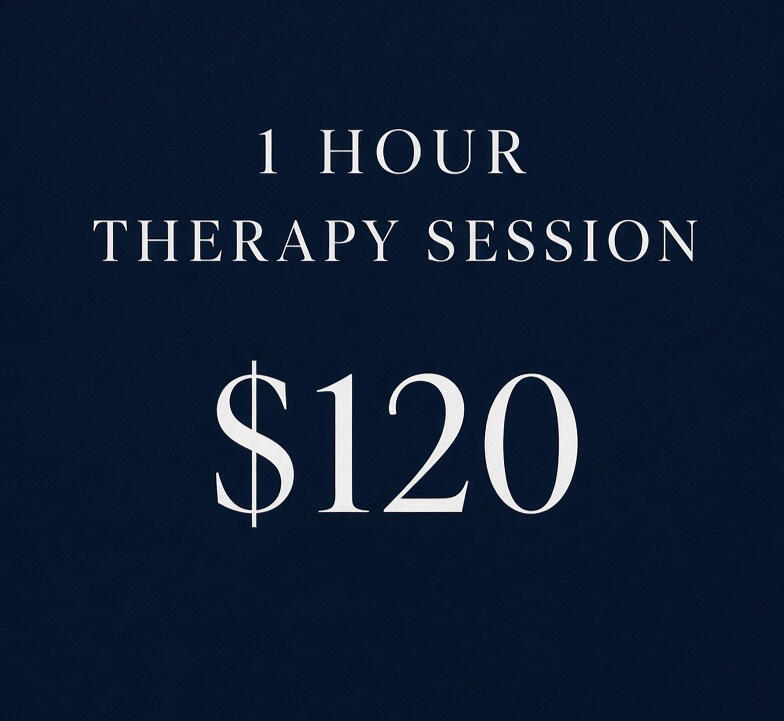
1 HOUR

1 HOUR & 30 MIN.

All personal data is protected in strict compliance with Singapore’s Personal Data Protection Act (PDPA). Information collected is strictly utilised to facilitate your clinical care, manage appointment scheduling, and fulfil professional record-keeping obligations.

3D VROID Avatar Used in Therapy
-Model Name: Kiyomi-
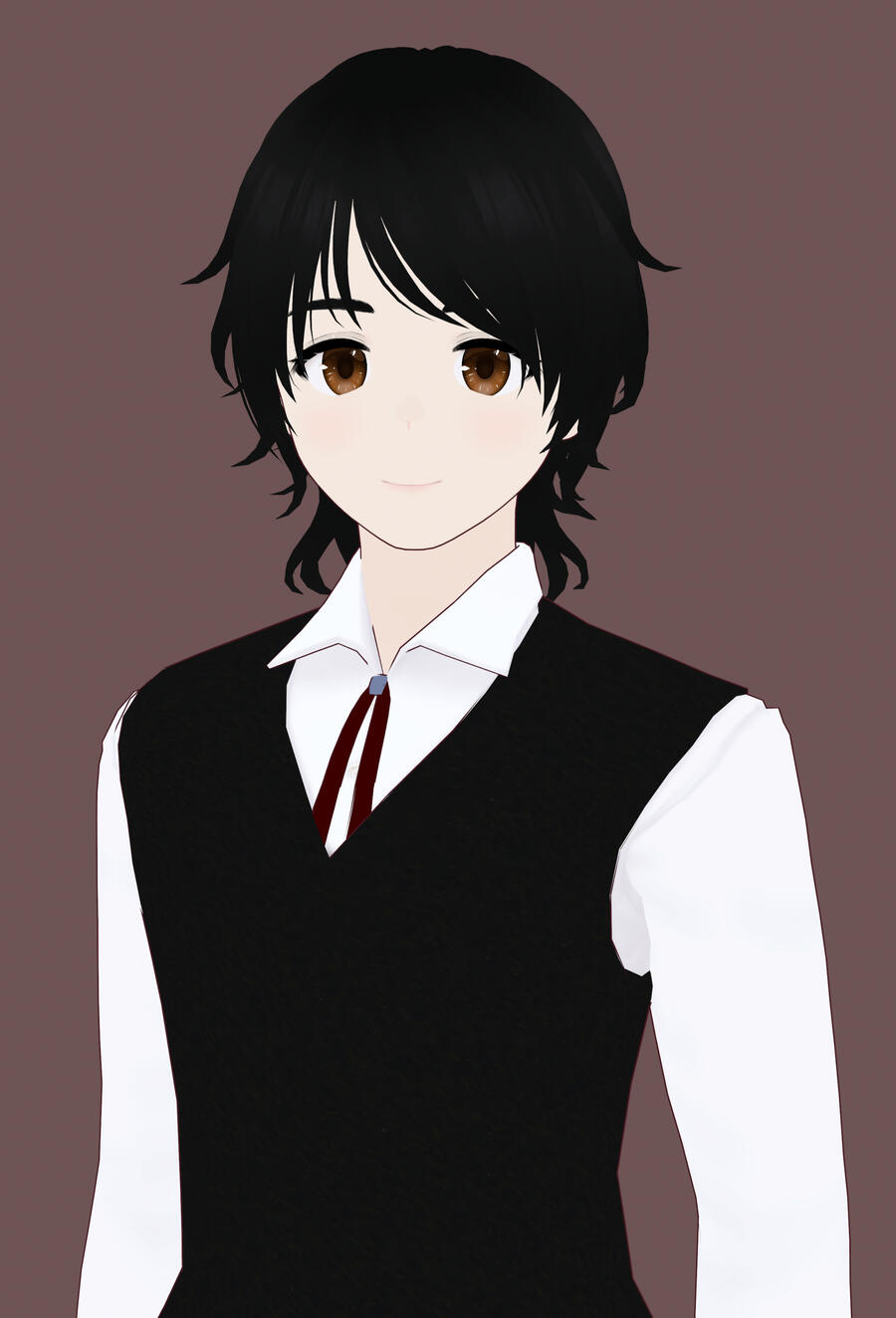
3D VROID Avatar Used in Therapy
-Model Name: Isao-